
The Transatlantic Briefing: Customer Service, Case Law, and the Melting Pot that is the US
In Conversation with Kai Schäffner:
Customer Service, Case Law, and the Melting Pot that is the US
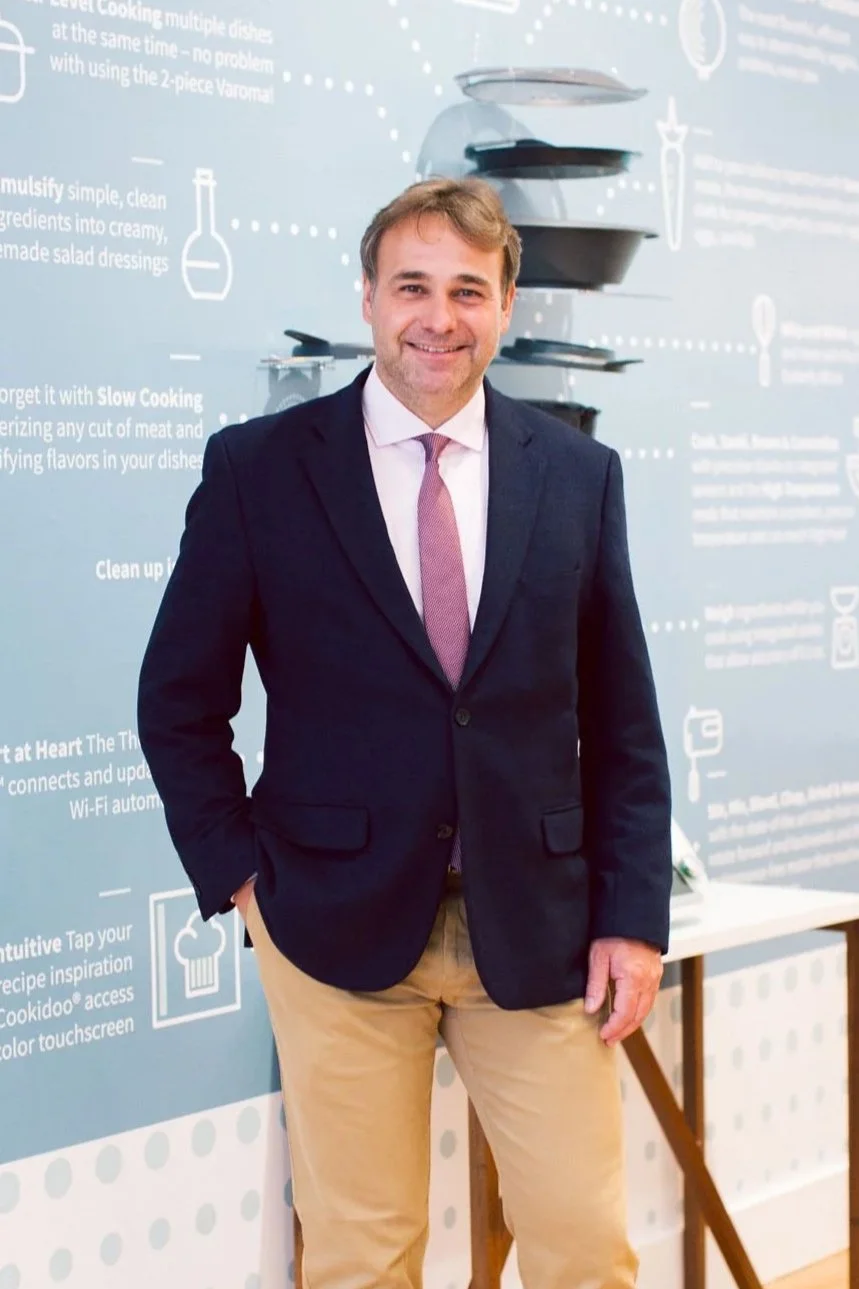
Few executives have built a European lifestyle brand in the U.S. as hands-on as Kai. As CEO and President of Vorwerk North America (Thermomix USA) from 2016 to 2022, he led the U.S. launch and scale-up of one of Germany's most iconic premium appliances: building out the direct sales force, digital ecosystem, and operational backbone from the ground up.
Before that, he spent nearly a decade on the global Thermomix Board as SVP Marketing at Vorwerk International, and earlier held leadership roles at Bang & Olufsen and as Partner & CEO of Tangram Inc. in Dallas/Fort Worth - meaning he has lived the European-to-American transition twice. Today, based in Las Vegas, he advises European and Asian companies on U.S. market entry and is a recurring voice at CES (The Kitchen 2030) and the Smart Kitchen Summit.
What makes his perspective essential: Kai speaks from the operator's seat. Every answer below comes from decisions he actually had to make.
When you were building Thermomix USA, what was the operational reality that surprised you most and that no consultant had prepared you for?
I think of the sheer variety of culinary cultures. In Germany, food culture is relatively homogeneous. You have a handful of major cuisines that dominate the market - German, Italian, Asian - so as a kitchen device with a built-in recipe library, you're operating within a very manageable frame. You can build a library that serves the overwhelming majority of households and feel confident you've covered the market.
The U.S. is a completely different universe. What Americans grow up eating and want to cook at home is shaped by generations of immigration and cultural blending. A Mexican-American household in Texas, a Polish-American family in Chicago, a Cuban-American kitchen in Miami, an Indian-American home in the Bay Area - each has completely different staples, spice profiles, and traditions. And these aren't niches; they're tens of millions of consumers each, with food cultures passed down through generations.
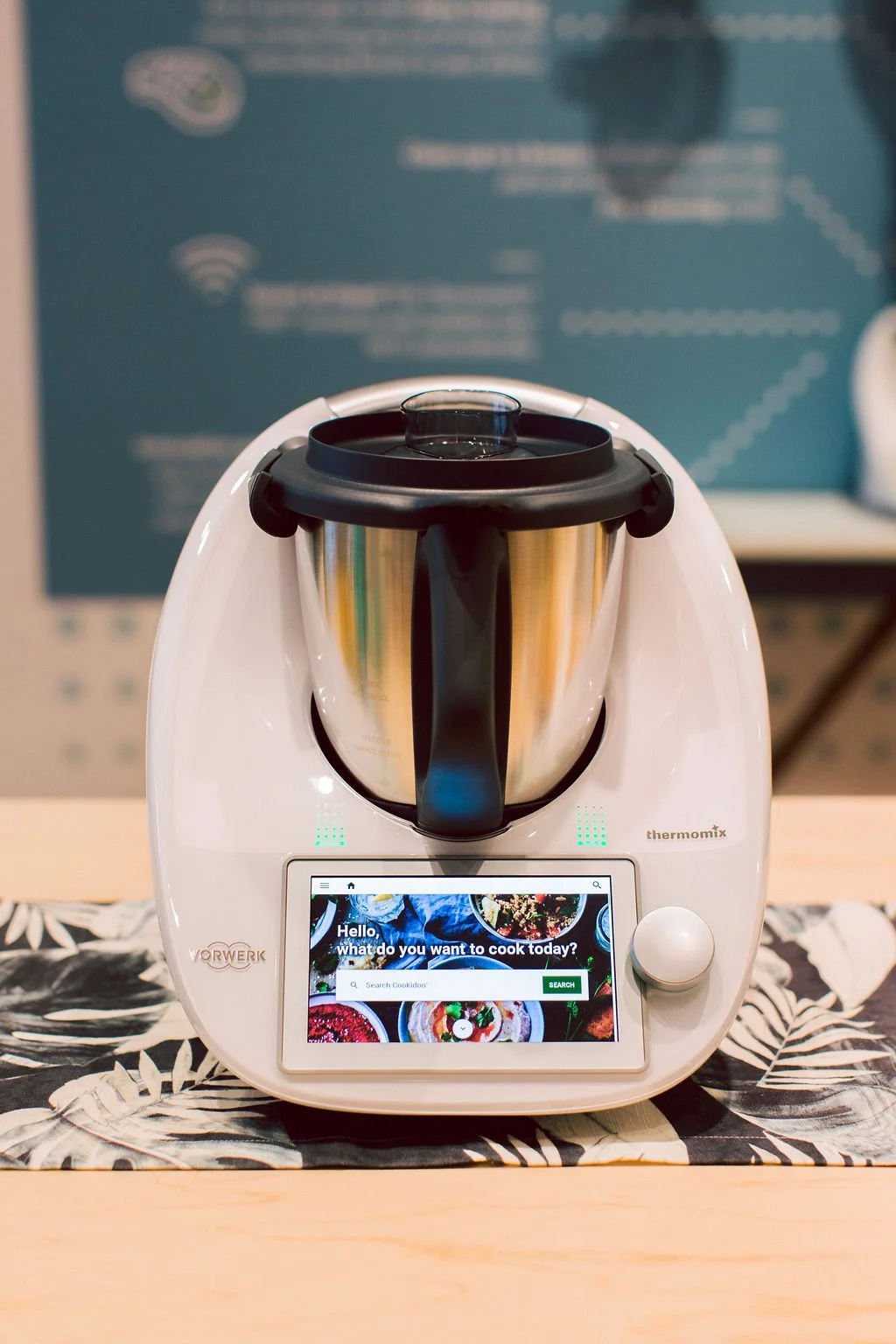
And it's rarely static. Second- and third-generation Americans often cook a hybrid - bulgogi on Sunday, meatloaf on Tuesday. Fusion isn't a trend here, it's how people eat. For a product like Thermomix, a recipe library built for the European palate was nowhere near sufficient. We had to rethink content, ingredient assumptions, and of course measurement conventions - cups over grams, pantry staples over specialty-store ingredients.
The US is a true melting pot, with a diversity that's almost impossible to grasp from a German perspective and if you don't factor that in from day one, large segments of your target consumers will quietly feel your brand isn't really for them.
The second thing that caught us off guard was the convenience culture. The American consumer feels no obligation to cook. DoorDash, Uber Eats, ready-made meals - for a huge segment of the population, that's the default, not the exception. In Germany, there's a culturally embedded sense of "I cook for my family." In the U.S., you have to find that motivation in your target audience or build entirely different use cases around your product.
If you could give one piece of advice to a European brand CEO who is six months away from their U.S. launch, what would it be?
From day one, focus on customer service and operational excellence. This is the blind spot where most European brands get it wrong.
I see it again and again: brands arriving with awareness budgets, but their customer service is essentially non-existent and their operational backbone is shaky. And that's exactly where everything is decided in the U.S. The American consumer is deeply service-spoiled: if you don't deliver from minute one, you burn through brand equity faster than you built it. The companies that really work here get that part solid first, and then scale marketing on top of it.
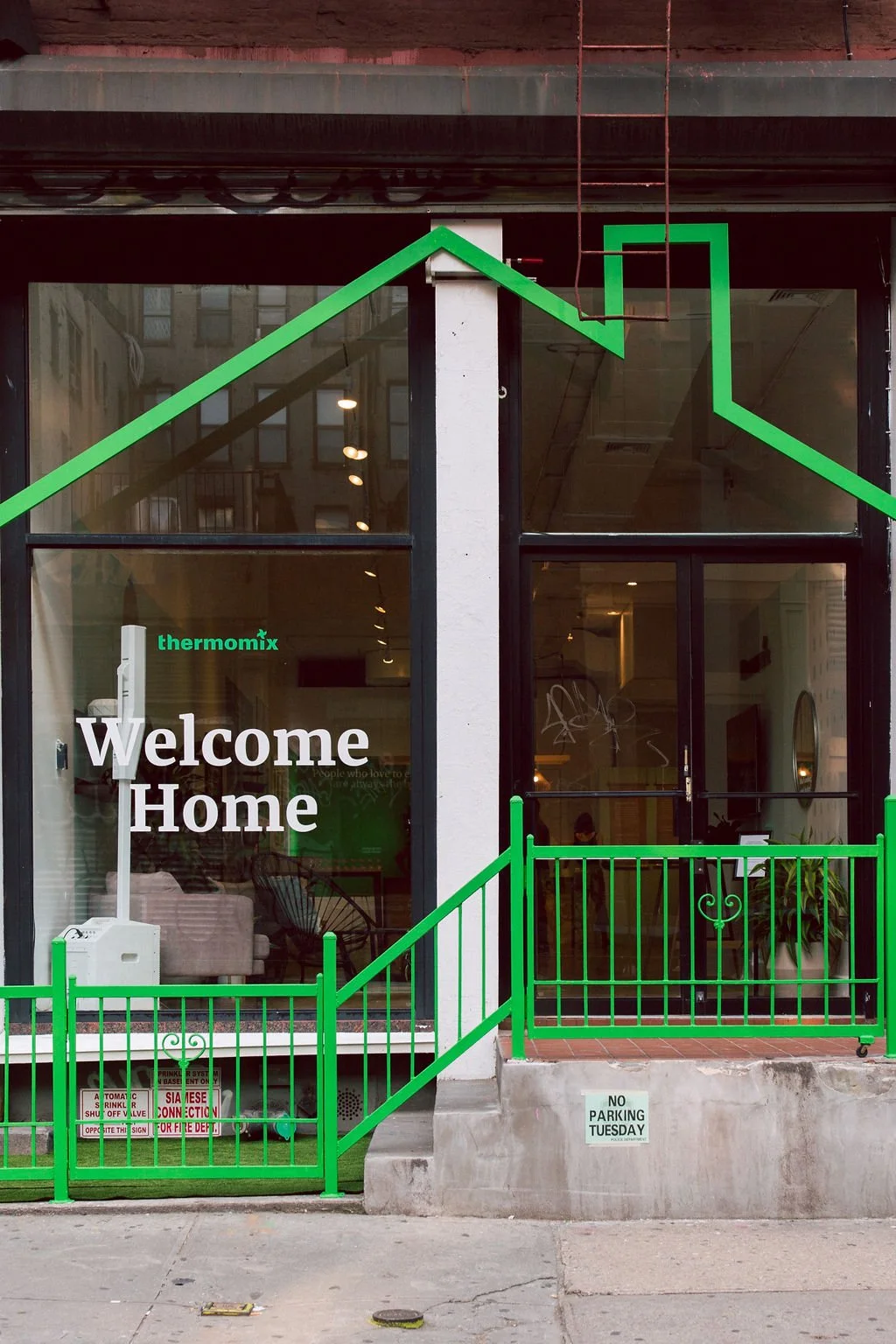
Thermomix USA welcomes you
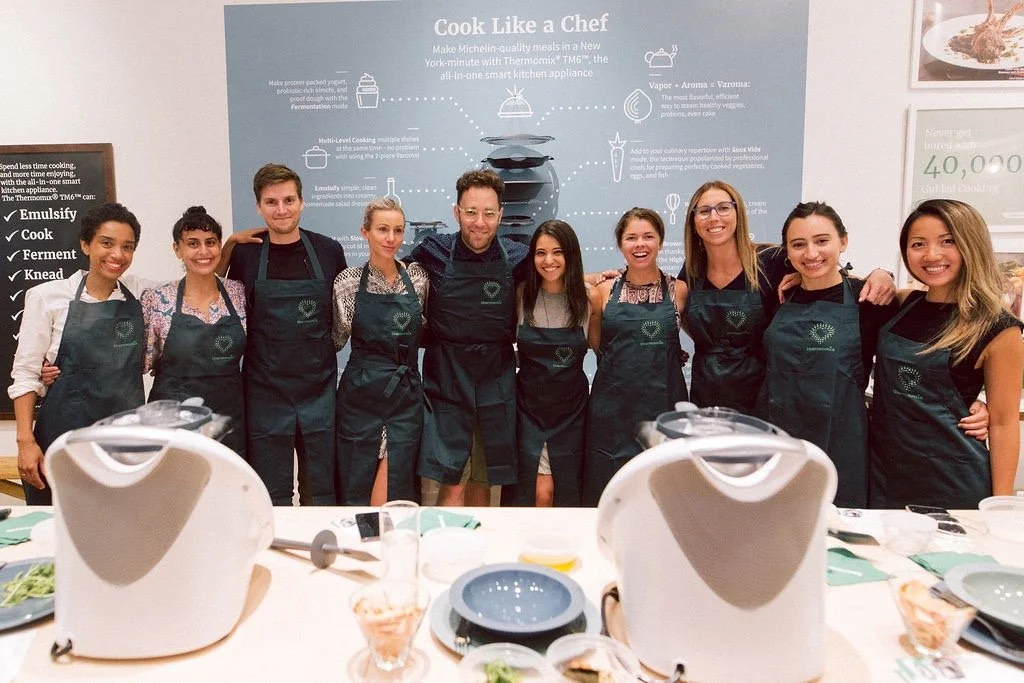
Community cooking
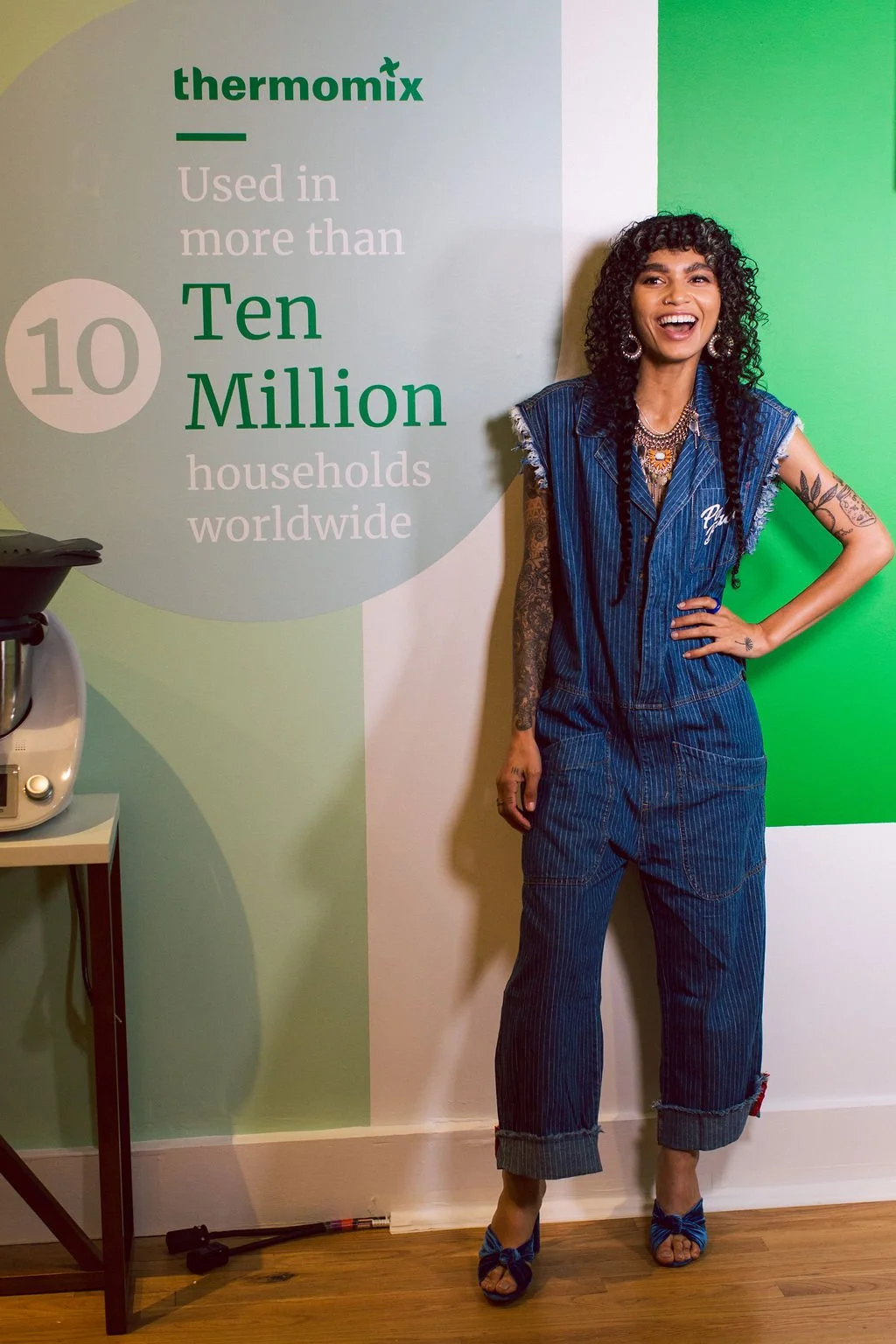
Sophia Roe at the Launch Event
What insurance coverage is truly non-negotiable for a European brand the moment it starts operating in the U.S. and where do first-timers get blindsided?
Let me preface this by saying I'm not a legal or insurance specialist. For the technical specifics, you absolutely need qualified counsel and a U.S. broker who understands global business set ups. What I can share is what I've lived through as an operator, and where I've seen European brands consistently caught off guard.
The big one is product liability. The U.S. operates on an Anglo-Saxon, case-law system, which means everything - and I mean everything - has to be contractually spelled out. You can't fall back on unwritten industry standards or "well, that's just how it's done," the way you often can in Germany.
California is the toughest state for liability, product compliance and governance. If you have a choice, launch there first and you will very likely be safe in all other states.
My strategic bonus tip: Train your U.S. muscle in Canada or Mexico first. Canada runs under English common law, is structurally comparable to the U.S., but most importantly it is less competitive and more European focussed. And Mexico is the ideal proving ground for the Hispanic consumer, who could most likely be one of your most important clusters in the U.S. Mastering the hispanic customer could be the entrance card for US expansion and it could be very interesting to expand in the Americas as well.

And one final point, because I see it constantly:
Don't dip a toe in the water.
Once you've made the decision, commit fully: ALL IN.
And go in with realistic time horizons: a serious U.S. market entry is a three- to five-year commitment. Expect break-even after three years and ROI after five. And one more recommendation: don't think about the U.S. in isolation. Launching in Canada and Mexico in parallel is worth serious consideration and for some European brands, headquartering in Canada is actually the smarter and more affordable option from which to serve all of North America.
The half-hearted entries, where a brand sends two people over or even wants to manage the US from Europe with their HQ team and then waits to see what happens, almost always fail.
The U.S. market doesn't reward hesitation.

Written by Yvonne Busch, Founder of ALLY
ALLY Communication & Marketing is a Los Angeles-based boutique agency specializing in helping European lifestyle brands enter and scale in the US market. From brand strategy and messaging localization to content production, influencer programming, and media relations — ALLY is your bridge to the American consumer.
Want to discuss your US market entry strategy? Get in touch →yvonne@ally-la.com